Your Amtrak train out of Chicago Union Station leaves at a fixed time. Enter the departure time from your ticket, adjust the drive and the steps, and see when to leave and when to start packing.
Every row is editable. Tap the deadline or any duration and the plan recomputes backward. The first travel row is your leave-by time.
The 25-minute drive is a typical run from Chicago without traffic. In the app, set Chicago Union Station as the destination and Apple Maps fills in the time from where you’re leaving.
Still check traffic for the hour you’ll go (real drive to CHI). Change the row and every step before it moves.
Thirty minutes before departure
What Amtrak asks for
No airport-style checkpoint, so three hours early here is mostly three hours in a waiting room. Occasional K-9 bag checks at big stations cost a few minutes, not a TSA wait.
What takes time is the building, the board, and the crowd. Amtrak's own advice is to plan for long lines at busy stations and holidays, and to arrive earlier if you need baggage help. A Red Cap (free, tipped) often knows the track before the board and can take you down ahead of the queue. Union Station is two rooms people mix up: the Great Hall with the skylight, and the boarding concourse the trains leave from. Wait in the Great Hall; Amtrak calls trains there about 45 minutes out, and you walk through to the gate when yours is called. The two connect underground, so the walk is indoors and a few minutes long.
Same plan drawn to scale. The end block is the wait for the gate, the walk out, and the margin before you miss it. Next to the drive it is small, which is what half an hour looks like. Checking a bag roughly doubles that wait.
Front door to departure: 1hr 29min
Long-distance departures board from gates off the concourse, and the walk down a platform to a sleeper can take a few minutes. Connections from Metra or the Loop often underestimate the walk inside. Sleeping-car passengers are escorted from the Metropolitan Lounge ahead of general boarding; if you are in coach, the call comes when it comes, so watch the board rather than counting on a fixed lead.
Amtrak does not publish one cutoff. Luggage must be checked before departure, and times vary by station. Forty-five minutes is a conservative default, and that is when the counter finishes in this example. Whether your train carries checked baggage is separate from whether the station does. The Chicago Union Station page is the live source for both.
Halls, platforms and services change; the Chicago Union Station page is the live source.
Amtrak asks for 30 minutes, and this example lands close to it. Regular riders often cut it finer (ten to twenty minutes) when they already know the door, board, and stairs. Every row is editable. More if you are checking a bag: Amtrak publishes no single cutoff; budget 45 minutes as a conservative default. Union Station is two rooms people mix up: the Great Hall with the skylight, and the boarding concourse the trains leave from. Wait in the Great Hall; Amtrak calls trains there about 45 minutes out, and you walk through to the gate when yours is called. The two connect underground, so the walk is indoors and a few minutes long.
Work backward from departure: gate closes 5 minutes before departure, the 12 minutes you should already be at the gate, the walk out, the wait for it to be posted, parking, then the drive (25 minutes in the default plan). Replace that with your own route. The leave-by moment is the first travel row, "Drive to CHI" by default.
If seating matters, yes. Northeast Regional coach has no seat assignments, so the queue decides who sits where. People who care get in line well before the thirty-minute mark. Acela and Business Class are assigned, so none of this applies there.
Amtrak's gates may close three to ten minutes before departure, so the gate closing is the real deadline. This plan assumes five minutes. At the busiest stations, riders report closer to two. That last step is the one that decides it.
On timing, yes. No routine screening and no counter an hour out, so the two-hour flying habit usually leaves you waiting. Bigger stations have reintroduced gated boarding and a concourse queue, which is why the plan budgets standing time. The building still matters: several rooms, one board, and a platform that can be minutes from where you are when the track goes up.
Assume you lose the fare. Amtrak's policy: tickets are non-refundable and non-changeable once the train has departed; a no-show forfeits that segment. Being put on the next train is a courtesy, not something to plan around. The row that matters is "Gate closes", not the departure time above it.
Flying instead? The airport pages use the same kind of plan with security. The leave time calculator works for any appointment, and the wake-up time calculator runs it back to the alarm.
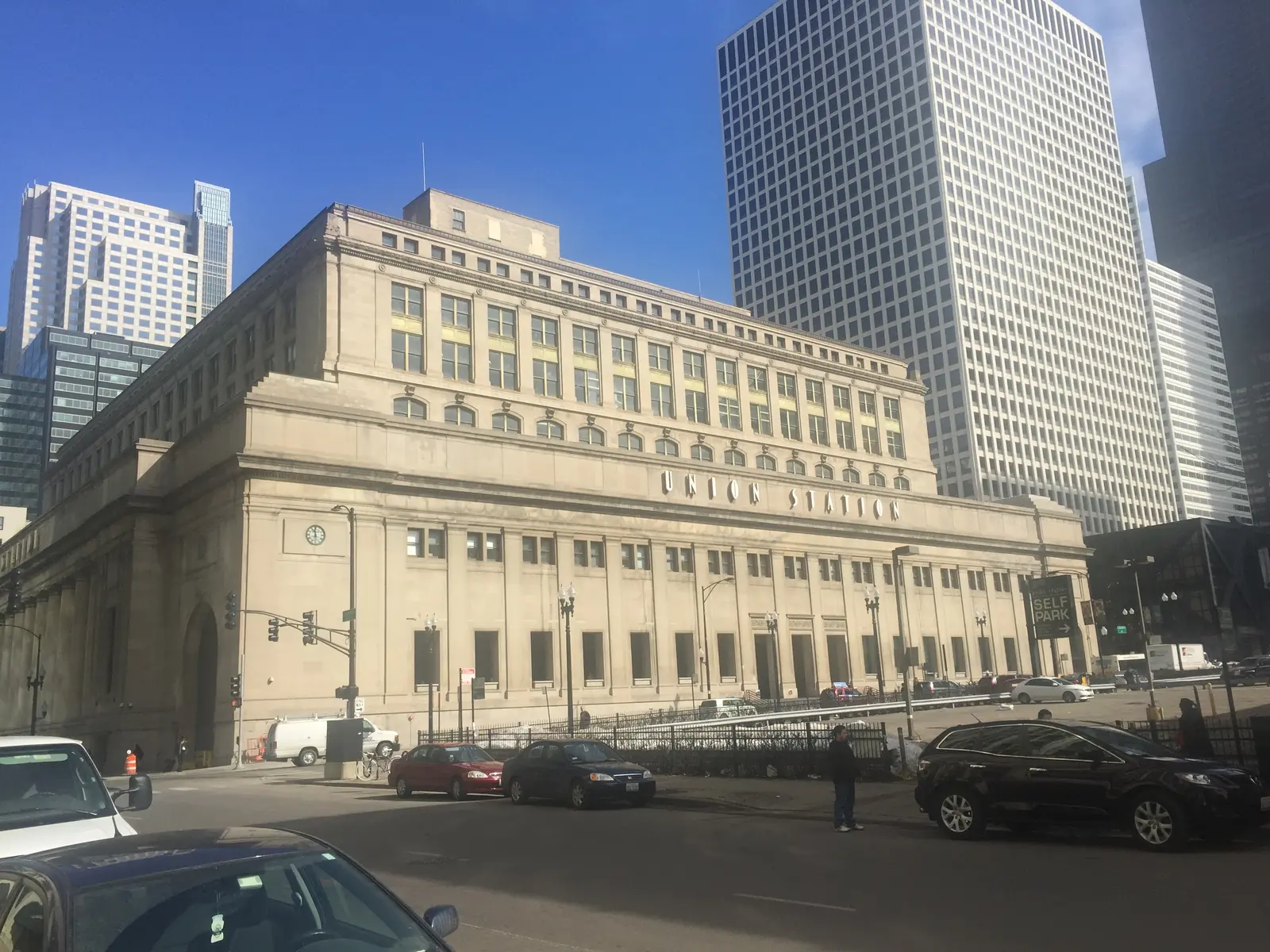
Amtrak’s rules: arriving and boarding, checked baggage, refunds and no-shows, and seat assignments. The Chicago Union Station page covers anything specific to this stop.
Day-to-day practice from riders: How early riders actually turn up · Amtrak Unlimited forum (regulars comparing ten minutes with an hour)
Ready Time keeps the plan and subtracts again when the departure changes. Put in next month's train and the same steps land on new times, with an alert on each one.
Get a nudge at the right moment, while there's still time to act.
Each step gets its own alert, so you know what's next and how long you have.
“I get so tired of counting backward to when I should start my task. This app is the solution.”App Store review
Other stations